
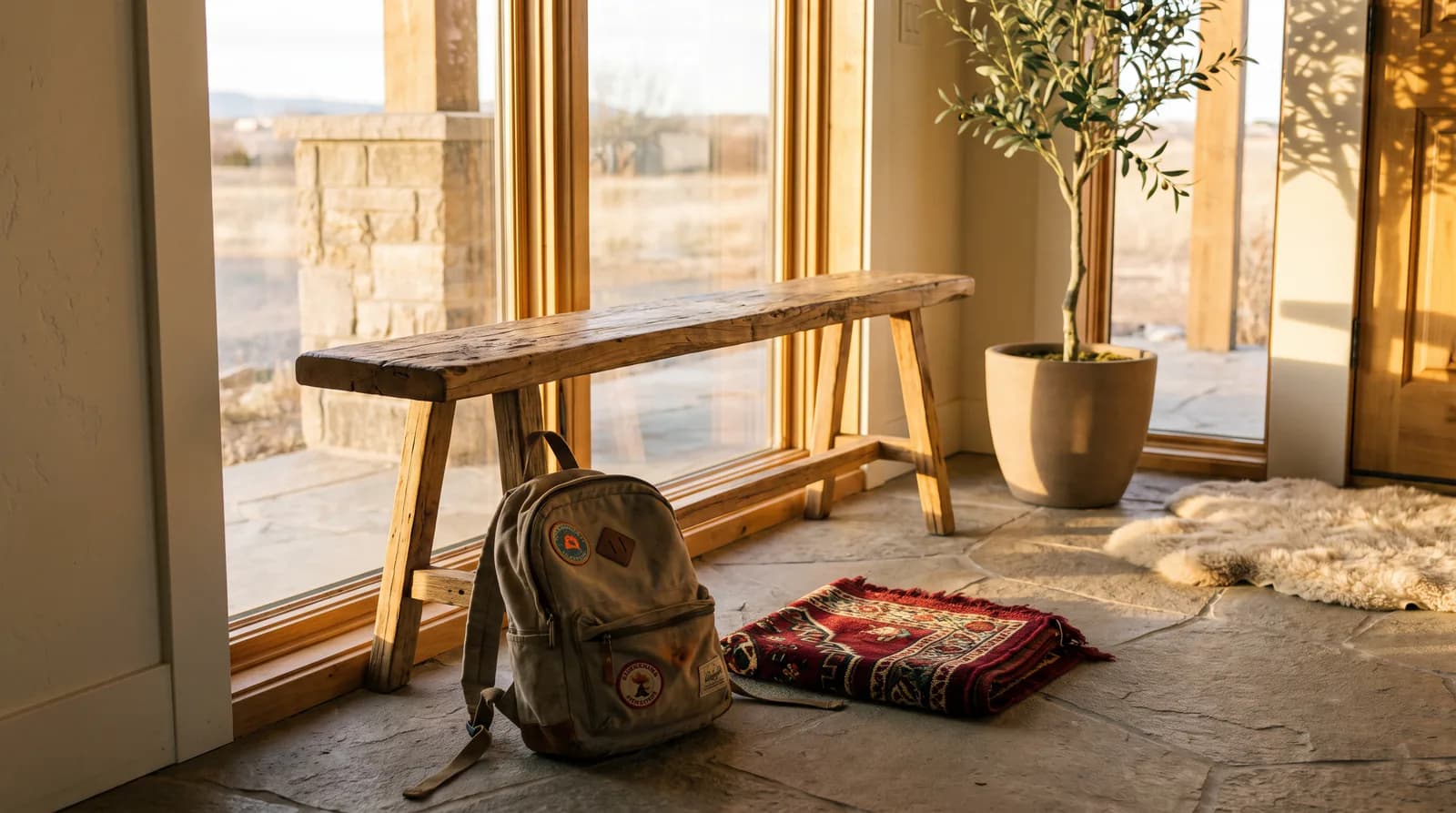
A practical 2026 guide to raising Muslim children in the West: Tarbiyah, identity, belonging, and structured Islamic learning for diaspora families.
Raising Muslim children in the West in 2026 is not a matter of simply preserving inherited customs. It demands a deliberate, structured approach to Tarbiyah (تربية)—the holistic nurturing of a child's faith, character, and identity. While many guides focus on the home as a sanctuary and the importance of parental modeling, they often overlook the logistical and emotional burnout parents face, the fragmented support systems, and the critical need for consistent, structured learning that fits into modern Western life. This guide offers a roadmap that goes beyond generic advice, integrating research-backed strategies with practical solutions for today's Muslim families.
The 2026 Reality of Raising Muslim Children in the West
The landscape for Western Muslim families has shifted dramatically. Children navigate secular school systems, digital media saturated with conflicting values, and peer pressure that can challenge their Islamic identity. Parents, meanwhile, juggle work, commutes, and the exhausting race to weekend Islamic schools—often far from home and disconnected from daily life. The result is a piecemeal approach to Islamic education that leaves children with fragmented knowledge and weak spiritual anchors.
Research from the Al-Idah Journal (2025) highlights that Muslim youth in the West face a unique identity crisis: they are caught between the expectations of their heritage and the desire to belong in their broader society. This tension is not new, but in 2026 it is intensified by social media, global politics, and a post-pandemic world where online connections dominate. The solution is not to retreat from the West but to equip children with a strong, confident Islamic identity that can thrive anywhere.
What makes 2026 different from even five years ago is the compounding effect of three pressures arriving at once. First, algorithm-driven platforms now deliver identity-shaping content to children as young as seven, often without parental mediation. Second, mosque and weekend-school capacity in many Western cities has not kept pace with Muslim population growth, so waiting lists and large class sizes are common. Third, the cost of living squeeze has pushed many families to cut enrichment spending first—even though Islamic education is precisely the anchor children need during instability. Recognising these three pressures helps parents stop blaming themselves for gaps and start designing a system that actually holds.
Tarbiyah (تربية): Nurturing the Soul Beyond Sunday School
Tarbiyah is more than teaching a child to pray or memorize Quran. It is the gradual, intentional cultivation of God-consciousness (taqwa), moral character (akhlaq), and a deep love for Islam. Traditional weekend schools often focus on rote memorization, but without understanding and personal connection, this knowledge evaporates when tested by secular environments.
Effective Tarbiyah requires:
- Consistency: Daily or near-daily engagement with Islamic learning, not just once a week.
- Mentorship: A trusted adult who models the faith and can answer difficult questions.
- Integration: Tying Islamic teachings to real-life situations—school, friendships, online interactions.
- Holistic development: Focusing on character, emotional intelligence, and critical thinking alongside rituals.
For families in the West, achieving this level of Tarbiyah often feels impossible amid busy schedules and limited local resources. That's where structured, online learning can fill the gap. For a deeper look at how progress in Tarbiyah can be tracked meaningfully, see our guide on holistic Tarbiyah assessment beyond Juz counts.
The Identity vs. Belonging Tug-of-War
Children in the diaspora often wrestle with two competing needs: identity (knowing who they are as Muslims) and belonging (fitting in with peers at school, in sports, or online). When these two pull in opposite directions, children may hide their faith or adopt a dual persona. A 2024 study in Al Mujtama Magazine found that Muslim youth who lack a strong Islamic identity are more likely to experience anxiety, depression, and behavioral issues.
To resolve this tension, parents must help children build a confident Islamic identity that does not require them to choose between faith and social acceptance. This means:
- Normalizing Islamic practices at home so they feel natural, not foreign.
- Encouraging friendships with both Muslim and non-Muslim peers while maintaining boundaries.
- Providing safe spaces where children can ask questions and express doubts without judgment.
- Celebrating Islamic holidays and milestones visibly, so children see their faith as a source of pride.
As Yaqeen Institute (2022) notes, resilience comes from a secure attachment to one's faith and community. When children know why they believe, they are less likely to abandon their values under pressure. For a fuller treatment of this specific tension, read our companion piece on identity and belonging.
Building a Home Environment That Anchors Faith
The home is the first school. But creating an Islamic environment in a Western home requires more than hanging a verse on the wall. It means weaving faith into the daily rhythm:
- Routines: Establish consistent prayer times, Quran reading, and family discussions about Islam.
- Language: Use Islamic greetings, terms, and stories naturally in conversation.
- Media: Curate Islamic content—podcasts, videos, books—and discuss them together.
- Role modeling: Parents must embody the patience, honesty, and compassion they want to see.
But even the most dedicated parents can't do it alone. They need support, especially when children reach adolescence and begin questioning. This is where structured, external learning becomes a safety net.
Why Structured Learning is the Safety Net for Diaspora Kids
Unstructured learning—occasional lectures, random YouTube videos—rarely builds deep understanding. Structured learning, by contrast, provides a clear progression, qualified teachers, and accountability. For diaspora children, it offers:
- Consistency: Regular sessions that build on each other, preventing gaps.
- Expertise: Teachers trained in Islamic sciences who can address complex questions.
- Community: A virtual classroom where children meet peers from similar backgrounds.
- Flexibility: Scheduling that adapts to Western school terms and time zones.
Online 1:1 live classes have emerged as a powerful solution. They provide personalized attention, allow for immediate feedback, and can be recorded for review. Unlike weekend schools that require hours of driving, online classes eliminate logistical burnout and make Islamic learning a seamless part of the day. If you are weighing the trade-offs of different formats, our comparison of weekend mosque, full-time Islamic school, and online learning is a useful starting point.
How Minhaj Kids Supports Western Muslim Families
Minhaj Kids is designed specifically for the needs of Western Muslim families. Our 1:1 live online classes in Quran, Arabic, and Islamic Studies offer:
- Qualified, Al-Azhar-aligned tutors: Consistent role models who understand the challenges of diaspora life.
- 30-minute private sessions: Focused, engaging, and easy to fit into a busy schedule.
- Recorded classes: Review lessons anytime, reinforcing learning.
- Flexible scheduling: Available across UK, USA, Canada, Australia, and Ireland time zones.
- Tarbiyah-centered curriculum: Goes beyond memorization to character development and critical thinking.
Whether your child needs help with Tajweed (تجويد), Arabic conversation, or understanding Islamic history, our tutors tailor each session to your child's level and interests. Parents receive progress updates and can communicate with tutors easily. You can explore our Quran program, Arabic program, and Islamic Studies program to see how each track is structured.
For families facing economic barriers, we offer subsidies and flexible payment options. Our goal is to make high-quality Islamic education accessible to every Muslim child in the West. If you would like to see the fit for your child before committing, you can Book a free trial.
Practical Steps for a Resilient Islamic Identity
Building a resilient identity is a marathon, not a sprint. Here are actionable steps for parents:
- Start early: Introduce Islamic concepts in age-appropriate ways from toddlerhood.
- Make dua: Pray for your children's guidance and protection.
- Create rituals: Family Quran time, Friday breakfasts, bedtime stories of prophets.
- Encourage questions: When your child asks "why," explore the answer together.
- Connect with community: Join local mosques, online groups, and family events.
- Invest in structured learning: Enroll in a program like Minhaj Kids that provides consistent mentorship.
- Be patient: Identity formation takes time; avoid shaming or forcing.
For more on integrating secular and Islamic education, see our guide on homeschooling Muslim children in the West. If you're concerned about screen time, read our balanced take on screen-based Islamic learning.
Overcoming Logistical Burnout
One of the most overlooked challenges for Western Muslim parents is the sheer logistics of Islamic education. Driving to weekend school can consume hours, disrupt family time, and leave parents exhausted. This burnout often leads to inconsistent attendance and, eventually, disengagement.
Online learning eliminates the commute. A 30-minute session can be scheduled before school, after homework, or on weekends—without leaving home. This flexibility means children can maintain their Islamic studies even during busy school terms, sports seasons, or exam periods. Parents reclaim time for self-care and family bonding, reducing stress and improving overall well-being.
For those experiencing burnout, our article on parental burnout and enrichment reset offers practical strategies. If overscheduling is the root cause in your home, the companion piece on avoiding burnout in the overscheduled Muslim family walks through a realistic weekly audit.
Integrating Islamic Learning into the Western School Term
Western school calendars are packed: September to June, with breaks for holidays. Islamic education should complement, not compete with, this schedule. Here's how:
- Align sessions with school terms: Schedule classes during the academic year, with lighter loads during holidays.
- Use weekends wisely: Instead of long commutes, opt for short online sessions that leave time for family.
- Leverage technology: Recorded classes allow review during school breaks or sick days.
- Coordinate with tutors: Share your child's school schedule so tutors can adjust pace and assignments.
Minhaj Kids makes this integration seamless. Our tutors are experienced in working with Western curricula and understand the pressures students face. They can help your child balance secular and Islamic studies without overwhelm.
The Need for Tarbiyah in Online Spaces
Online learning is not just about convenience—it's about quality. A common criticism of online Islamic education is that it can be impersonal or focused solely on memorization. At Minhaj Kids, we prioritize Tarbiyah. Our tutors are trained to nurture character, encourage reflection, and build a personal connection with each student.
For example, a lesson on honesty might include discussing real-life scenarios a child faces at school. A Quran session might explore the context of a verse and how it applies to modern challenges. This approach ensures that learning goes beyond the surface and shapes the heart.
We also emphasize holistic assessment, measuring growth in character and understanding, not just memorization. Parents receive detailed feedback on their child's progress, including areas for spiritual and moral development. To understand how tutor quality and safeguarding are verified before a child ever joins a class, see our guide on vetting online Islamic tutors.
Building a Support Network
No parent should feel alone. Connecting with other Muslim families in the West can provide emotional support and practical tips. Consider:
- Joining local mosque groups or online forums.
- Attending Islamic conferences or family camps.
- Participating in parent workshops offered by organizations like Minhaj Kids.
- Sharing resources and experiences with trusted friends.
Our blog offers a wealth of information, from top questions Western Muslim parents ask to vetting online tutors. We also have guides on identity and belonging and navigating faith doubt. If your child is quiet or hesitant in group settings, our article on helping shy children participate in online Quran classes is worth reading before you choose a class format.
Conclusion: A Partnership for Your Child's Tarbiyah
Raising Muslim children in the West is a sacred trust. It requires intentionality, consistency, and support. While the home is the foundation, structured learning through Minhaj Kids provides the daily reinforcement and mentorship that children need to thrive. Our 1:1 live online classes are designed to fit your life, not overwhelm it. With qualified tutors, flexible scheduling, and a focus on holistic Tarbiyah, we partner with you to build a resilient Islamic identity in your child.
Ready to give your child the gift of consistent, high-quality Islamic education? View fees and enroll, or Book a free trial to see how a session works. You can also contact us with any questions, or learn more about Minhaj Kids and our approach to Tarbiyah.
References
- 5 Challenges of Raising Righteous Youth in the West — About Islam, 2018.
- Building Resilience: The Psychology Behind Raising Unapologetic Muslim Children — Yaqeen Institute, 2022.
- Religion & Public Life Research — Pew Research Center, 2024.
- Global Education Monitoring and Inclusive Learning — UNESCO, 2024.