
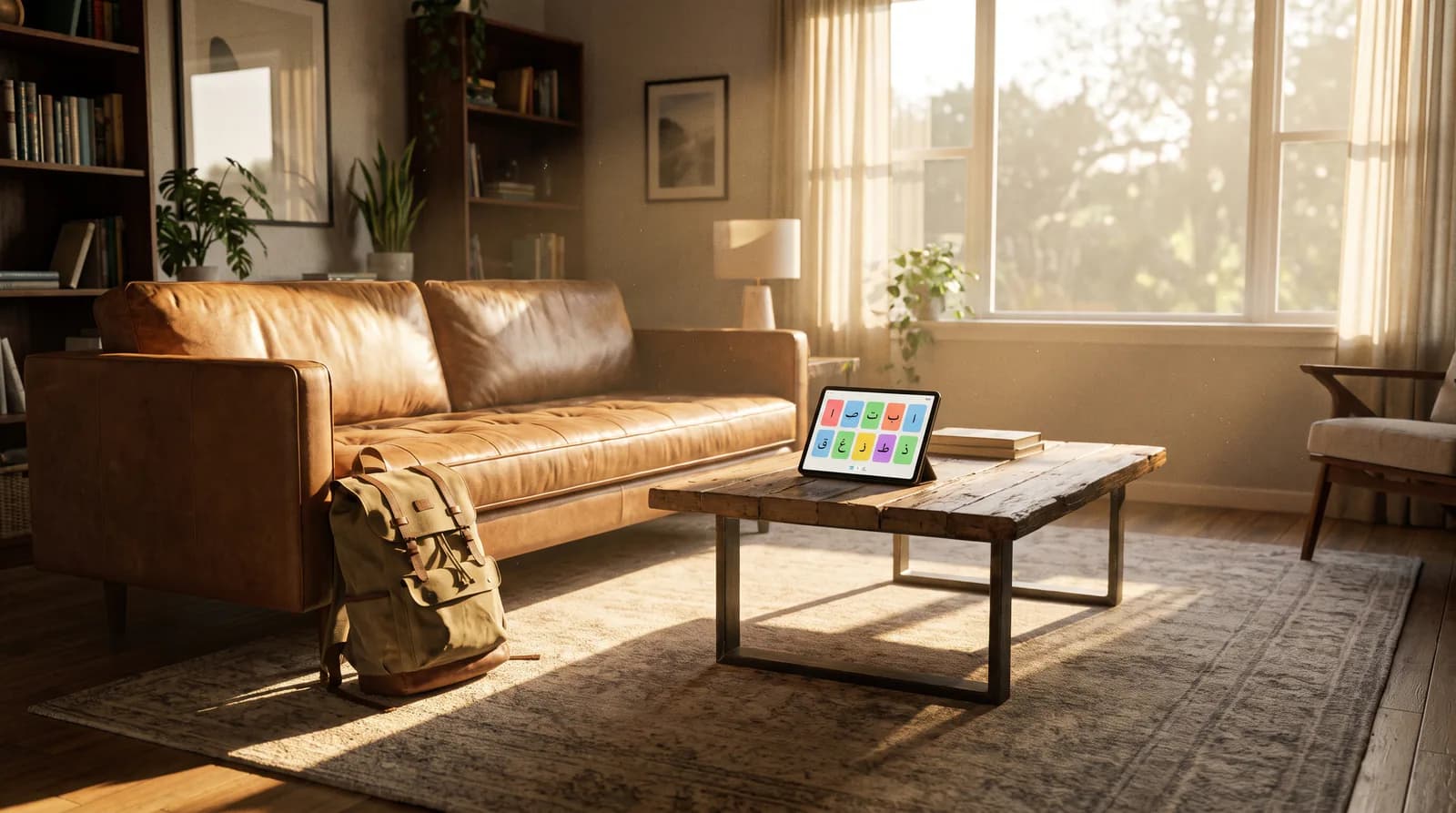
Expert answers to top questions Muslim parents in the West ask about balancing secular school, Tarbiyah, and online Islamic education.
The State of Islamic Education in the West (2026)
As the 2026 school year kicks off, Muslim parents across the West are asking the same pressing questions: How do we keep our children connected to their faith while they navigate secular schools? How do we fit Islamic learning into already packed schedules? And most importantly, how do we ensure they grow up with a strong character, not just a checklist of memorized surahs?
This year, the conversation has shifted. Parents are moving beyond the guilt of not doing enough and instead seeking practical, sustainable solutions. The old model of weekend mosque school is often leaving kids exhausted and disengaged. Meanwhile, generic online courses that rely on pre-recorded videos are failing to provide the human connection that true Islamic education requires. This guide answers the real questions from our community, with expert insights and actionable strategies—helping you build a routine that works for your family.
"How do we balance secular schooling with Islamic studies?"
The number one struggle for Western Muslim parents is time. Between homework, extracurriculars, and family life, adding Islamic studies can feel overwhelming. But the goal isn't to add more—it's to integrate smarter.
One effective approach is to create a weekly schedule that dedicates specific times for Islamic learning, just like any other subject. For example, a 30-minute live online class on weekday evenings can be more effective than a 3-hour weekend marathon. This consistency builds a habit and prevents burnout.
Another key is to leverage the flexibility of online learning. Research shows that structured online programs that fit into school terms can reduce stress for both parents and children. Minhaj Kids offers live classes that align with Western school calendars, so you don't have to worry about holiday conflicts.
Remember, it's not about perfection. Even 15 minutes of daily Quran reading with your child, supplemented by a weekly live class, can make a significant difference. The key is consistency.
"Are we focusing on Taleem while missing true Tarbiyah?"
Parents are increasingly aware that Islamic education isn't just about teaching facts (Taleem)—it's about nurturing character (Tarbiyah, تربية). This holistic approach shapes a child's moral compass, empathy, and connection to Allah. Yet many programs focus solely on memorization and rules, leaving little room for character development.
True Tarbiyah happens in relationships. It requires teachers who model Islamic values, peers who reinforce positive behavior, and environments that encourage reflection. This is why passive learning—like watching videos—often falls short. Instead, live interaction with a qualified teacher and a private 1:1 class of peers allows for real conversations about honesty, kindness, and patience.
Minhaj Kids emphasizes Tarbiyah alongside Taleem. Our private 1:1 classes foster a supportive environment where children learn to apply Islamic principles in their daily lives. For more on this, see the state of Islamic education in the Western diaspora.
"How can we protect our child's Islamic identity from peer pressure?"
One of the deepest concerns for parents is the fear of their child losing their Islamic identity in a secular environment. Peer pressure can be intense, and children often feel caught between two worlds. The solution isn't isolation—it's building a strong internal compass and a supportive Muslim community.
Structured online classes can provide a safe space where children connect with other Muslim peers from around the West. This virtual community reinforces shared values and gives them a sense of belonging beyond their local school. As research on Muslim youth identity shows, positive peer influence is a protective factor against negative peer pressure.
Additionally, involving your child in Islamic activities beyond the classroom—like halaqas or community service—helps them see their faith as a lived reality. Encourage them to take pride in their identity by learning about Islamic history and contributions to civilization.
"Are online Quran classes actually effective for easily distracted kids?"
Many parents worry that online learning will be a distraction, especially for younger children. However, when done right, online classes can be highly engaging. The key is live, interactive instruction—not pre-recorded videos that allow kids to zone out.
Minhaj Kids uses small live groups of one child per class, which ensures each child gets individual attention. Teachers are trained to keep lessons dynamic, using visual aids, stories, and interactive exercises. Plus, the private 1:1 class size creates a sense of accountability; kids are more likely to stay focused when they know their teacher and peers are watching.
For shy or easily distracted children, we offer specific strategies. Our article on helping shy children participate provides practical tips for parents and teachers. Additionally, every class is recorded, so children can review the lesson at home, reinforcing what they learned and accommodating different learning speeds.
"How do we find qualified teachers who understand Western children?"
Finding a teacher who is both knowledgeable in Islamic sciences and culturally aware of Western upbringing is a challenge. Many parents have encountered teachers who are strict or disconnected from the realities of growing up in the West. This can lead to frustration and even push children away from learning.
The solution is to seek out educators who have experience with diaspora children. At Minhaj Kids, our teachers are Ijaza-certified and specifically trained to engage Western kids. They understand the pressures of secular schooling and can relate to the children's everyday experiences. They use a warm, encouraging approach that builds confidence rather than fear.
Moreover, we ensure that class placement matches each child's exact level, so complete beginners never feel ashamed. Whether your child is just starting with the Arabic alphabet or is ready for advanced Tajweed (تجويد), they'll be placed with peers at the same stage. This personalized approach is crucial for effective learning.
Building a Sustainable Islamic Learning Routine This School Year
So, how do you put all this into practice? Start by setting realistic goals. Instead of cramming Islamic studies into weekends, aim for short, daily sessions—like 10 minutes of Quran reading after Fajr and a 30-minute live class on weekdays. Consistency beats intensity.
Use the resources available to you. Take advantage of recorded sessions for review, and involve your child in setting their own learning targets. Celebrate small achievements to keep motivation high.
Most importantly, don't forget to take care of yourself. Parental burnout is real, and our guide on managing parental burnout offers strategies to avoid overwhelm. Remember, you are not alone in this journey. The entire Muslim ummah is navigating these challenges together.
If you're ready to take the next step, consider booking a free trial class with Minhaj Kids. Our live, private 1:1 format is designed to fit seamlessly into your family's routine. Visit our fees page to learn more and get started today.
References
- The Five 'Don'ts' of Tarbiyah — Hiba Magazine, 2026.
- Taleem o Tarbiyah: An Islamic Response to Modern Educational Challenges — Islamic Educational Research, 2025.
- Balancing Secular and Religious Education for Muslim Children — University of Oxford Department of Education, 2025.
- Challenges Faced by Muslim Teens in the West and How to Address Them — American Psychological Association, 2025.
- Exploring Tarbiyah in Islamic Education: A Critical Review — MDPI, 2025.