
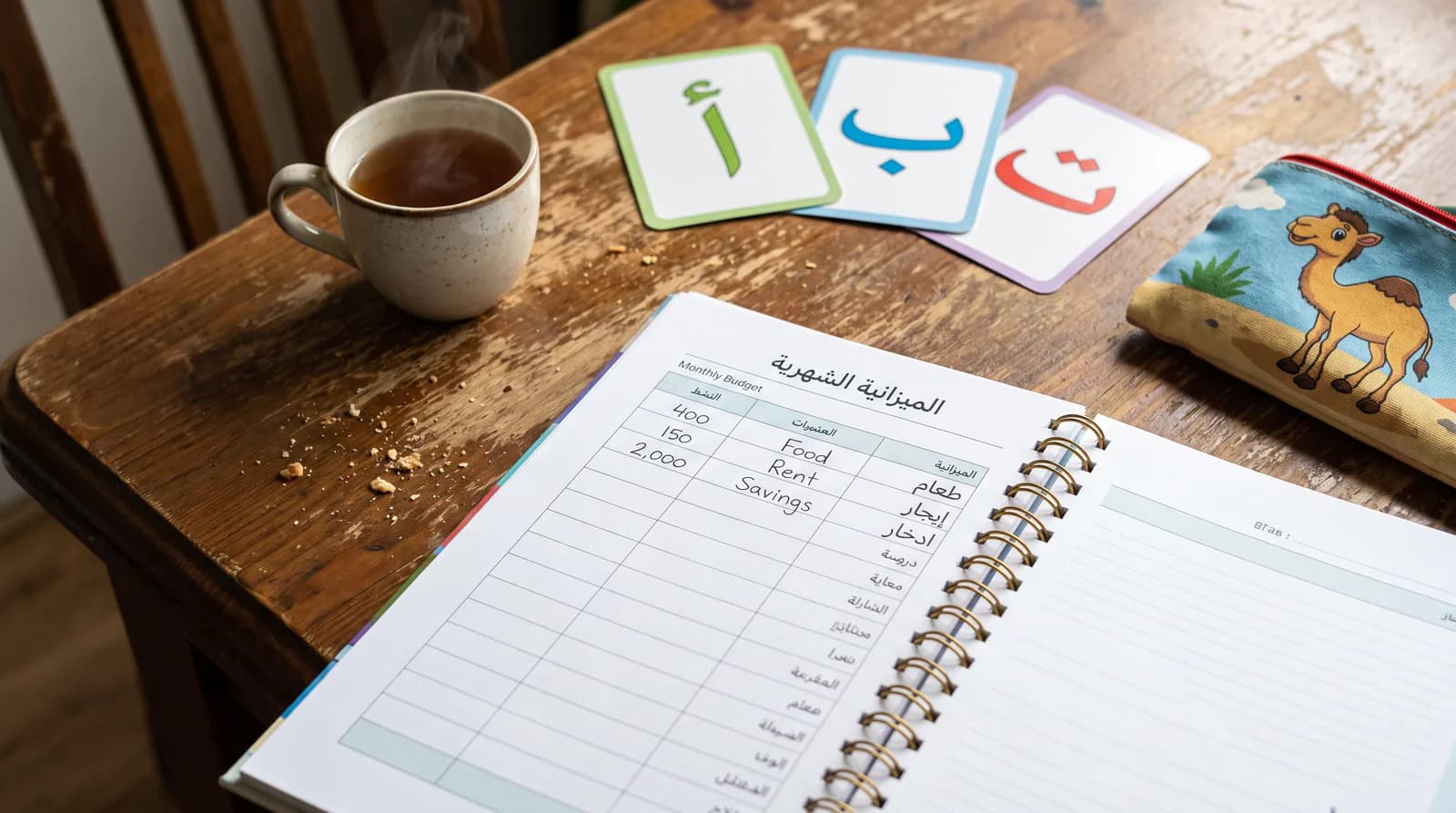
Struggling with the rising cost of Islamic education? Explore the impact of tuition fees, lack of subsidies, and how online classes provide affordable access.
For Western Muslim families, securing a sound Islamic education for their children is a deeply held priority. Yet in 2026, the economic landscape has made this goal increasingly challenging. Between rising tuition fees, inconsistent government subsidies, and the hidden costs of community programs, many parents find themselves caught between aspiration and affordability. This article examines the real barriers—and offers a practical, sustainable path forward through structured online learning.
The Affordability Crisis in Western Islamic Education
Full-time Islamic schools are widely regarded as ideal environments for nurturing faith and knowledge. However, their cost has become prohibitive for many middle- and low-income families. In the United States, annual tuition at many full-time Islamic schools ranges from $8,000 to $12,000 per child. In Canada, provinces like Ontario offer zero funding for independent religious schools, pushing fees to similar levels. For a family with two or three children, this can mean spending over $30,000 annually—a sum that strains even dual-income households.
The situation is no better in the United Kingdom, where the recent 20% VAT on private school fees has disproportionately affected low-fee community Islamic schools. As reported by The New Arab, this policy threatens to price out working-class Muslim families who already sacrifice heavily for their children's faith-based education.
How Subsidies and Vouchers Shape Access in North America
Government funding models create a postcode lottery. In Alberta, Canada, partial funding for independent schools can cover up to 70% of tuition, making Islamic school accessible for many. Similarly, Florida's voucher programs (as discussed by RAIR Foundation) allow families to redirect state education funds toward private religious schools. Yet in most other jurisdictions, such support is absent or limited. Parents in non-subsidized areas face the full brunt of tuition costs, often leading to difficult choices between secular public schooling and financial strain.
The UK Context: VAT Hikes and Community School Struggles
The UK's imposition of 20% VAT on private school fees has hit Islamic schools hard. Many operate on razor-thin margins, relying heavily on community donations and Zakat to subsidize lower-income students. The new tax forces these schools to either increase fees—pricing out more families—or absorb the cost, threatening their financial viability. As a result, some parents are turning to alternative models, including supplementary online programs, to ensure their children still receive structured Islamic education.
The Hidden Costs of Weekend Mosque Schools
For families unable to afford full-time Islamic school, weekend mosque programs are the default alternative. However, these come with their own economic and logistical burdens. Transportation to and from the mosque, learning materials, and sometimes separate fees for Quran, Arabic, and Islamic Studies add up. Moreover, volunteer burnout and limited contact hours (often just 2–4 hours per week) mean inconsistent quality and progress. As noted in research on Sustainability Concerns of the Madrasah Education Program, such programs struggle with teacher retention and curriculum continuity.
Additionally, many weekend schools lack a standardized curriculum, leading to gaps in learning. Parents often find that their children memorize Quranic verses without understanding their meaning, or learn Arabic script without comprehension. This fragmented approach can leave students with a superficial grasp of Islamic knowledge, requiring supplementary instruction later. The financial burden of weekend programs, while lower than full-time schools, still adds up: registration fees, textbooks, and event costs can total several hundred dollars per child per year. For families already stretched thin, these hidden expenses can be a significant deterrent.
Online Learning: An Economic Equalizer for Muslim Families
Structured online Islamic education has emerged as a financially sustainable alternative. By removing physical building overheads—rent, utilities, maintenance—online platforms can invest directly in qualified teachers and curriculum development. This fundamentally changes the cost structure: parents pay for expertise, not real estate.
Programs like Minhaj Kids' Quran program offer live, private 1:1 classes (one child per class) that bridge the gap between expensive 1-on-1 tutoring and overcrowded weekend schools. The private 1:1 class size ensures personalized attention while keeping fees affordable. Furthermore, recorded live sessions allow families to review material at their convenience, adding value without extra cost.
Online platforms also benefit from economies of scale. By serving students across multiple time zones and countries, they can maintain competitive pricing while investing in high-quality resources. For example, Minhaj Kids employs certified teachers with degrees in Islamic studies and education, ensuring that students receive instruction comparable to top-tier full-time schools. The fee structure is transparent and designed to be affordable, with free trial classes available without requiring a payment card.
Flexible Scheduling Reduces Hidden Costs
Online learning eliminates transportation time and expense. For diaspora families spread across time zones, flexible scheduling means children can attend classes after school or on weekends without conflicting with other commitments. This flexibility also allows parents to fit Islamic education into their budgets without sacrificing other essentials.
Moreover, online programs often provide a la carte options, enabling families to choose only the subjects they need—Quran, Arabic, or Islamic Studies—rather than paying for a bundled curriculum. This modular approach helps families prioritize their spending based on their children's specific needs. For instance, a child who has already mastered Quran recitation can focus on Arabic grammar or Islamic history, avoiding unnecessary costs.
Balancing the Budget Without Compromising Tarbiyah
Tarbiyah (تربية)—the holistic nurturing of a child's Islamic character—does not require a full-time private school. Consistent, high-quality instruction in Quran, Arabic, and Islamic Studies can be achieved through supplementary online programs. Comparing weekend mosque, full-time Islamic school, and online Quran and Arabic literacy reveals that online programs often provide more structured progression and accountability than weekend schools, at a fraction of the cost of full-time schooling.
Moreover, online platforms can offer a comprehensive Islamic studies curriculum for teens that addresses contemporary challenges, from identity to peer pressure, without the overhead of a physical campus. These programs often include interactive elements such as quizzes, discussion forums, and parent-teacher meetings, fostering a supportive learning environment. By focusing on core subjects and leveraging technology, online education delivers value that rivals traditional schools.
Parents can also supplement online learning with home-based activities, such as family Quran reading sessions or Islamic story time, to reinforce lessons without additional cost. This blended approach maximizes the impact of every dollar spent on education.
Making High-Quality Islamic Studies Accessible Today
For parents seeking immediate, practical solutions, Minhaj Kids' Arabic program and Islamic studies program provide structured learning paths with certified teachers. The fee structure is transparent and designed to be affordable, with free trial classes available without requiring a payment card.
By embracing online learning, Western Muslim families can overcome economic barriers and provide their children with the Tarbiyah they deserve—without the guilt of financial strain. The shift to digital classrooms is not just a trend; it is an economic equalizer that puts quality Islamic education within reach for all. To learn more about how Minhaj Kids can support your family's educational journey, visit our about page or contact us for personalized guidance.
References
- Labour Party VAT hike threatens future of UK Islamic schools — The New Arab, 2024.
- Inspiring leadership: Imam Sabree's vision for community building — Muslim Views, 2025.
- Food Security among Libyan Migrants Living in Australia: A Qualitative Study — MDPI, 2021.
- Sustainability Concerns of the Madrasah Education Program — ResearchGate, 2022.
- Florida's Islamization Pipeline: School Network Building — RAIR Foundation, 2025.